Author: Franziska Schmid

  • How young people perceive open educational badges

    How young people perceive open educational badges

    How can digital credentials such as Open Educational Badges (OEB) be designed so that they are truly relevant to young people?

    This question is explored in the new interim report on accompanying research in the MINT.OBadges project.

    In over 90 pages, Prof. Dr. Ilona Buchem (Berlin University of Applied Sciences) provides insightful insights from focus groups, interviews, and surveys with school and university students. The results show that open badges have great potential—provided they are credible, compatible, and individually meaningful.

    What is particularly exciting is that the study combines findings from self-determination theory with the HEXAD typology of player types. This makes it clear which design elements really work for different users – from “achievers” to “free spirits.”

    👉 The interim report is now available for download:
  • Making future skills visible – with open educational badges and ESCO

    Making future skills visible – with open educational badges and ESCO

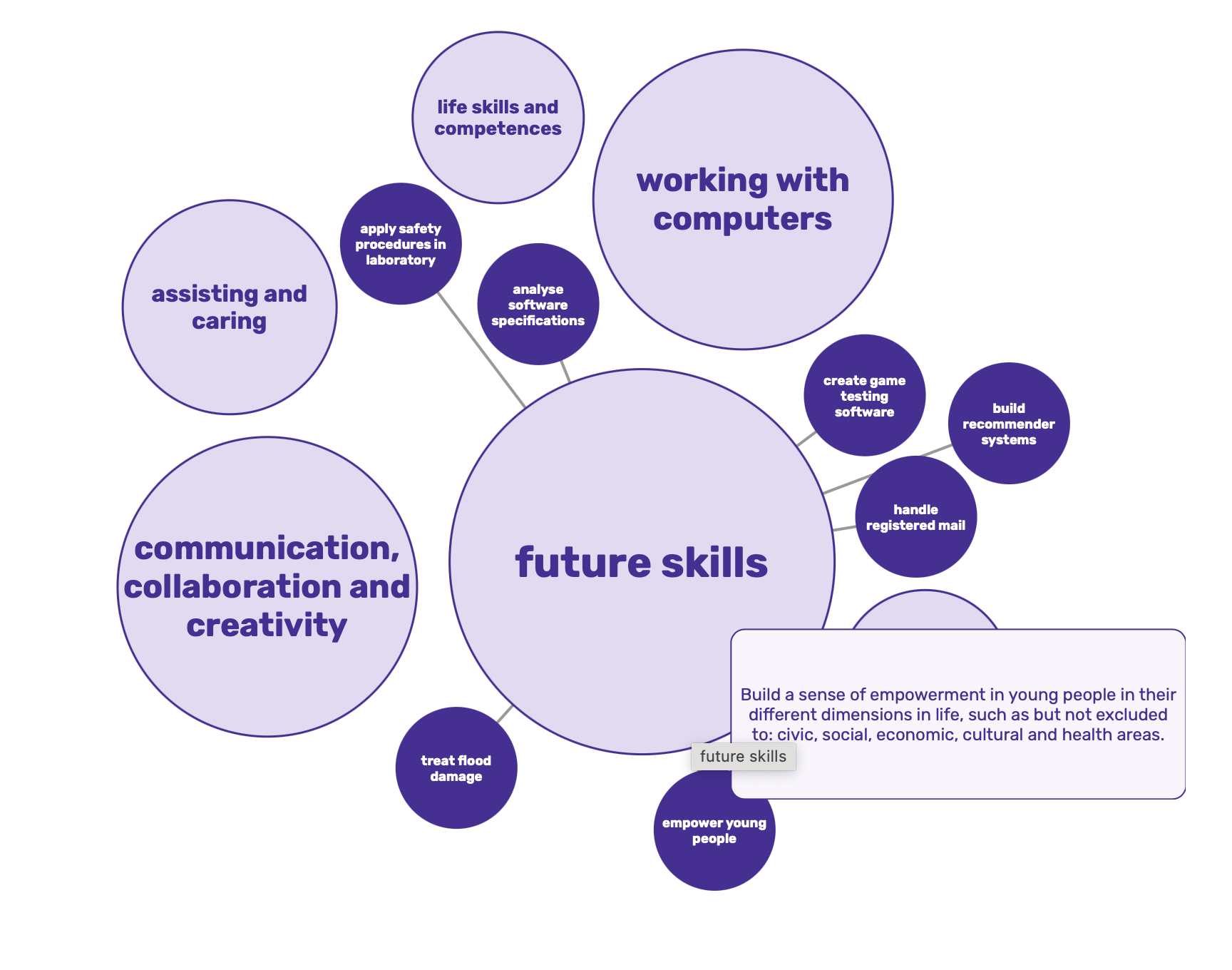
    In a world that is changing ever more rapidly, future skills—such as critical thinking, problem solving, and digital literacy—are becoming increasingly important. But how can they be measured and made visible? This is where the new white paper “Open Educational Badges for Future Skills” comes in.

    Why future skills are crucial
    The demands of the working world are changing rapidly. Education must be more flexible and accessible throughout life so that people can continue to develop.

    How Open Educational Badges help
    Digital badges are an innovative way to present learned skills in a transparent and recognized manner, regardless of formal qualifications. They enable learners to document and showcase their skills in a flexible way.

    The key: ESCO as a competency standard
    For badges to be used effectively, they must be clearly defined. The white paper shows how ESCO (European Skills, Competences, Qualifications, and Occupations) is used as a European standard for describing future skills to enable precise and comparable representation.

    The white paper by Prof. Dr. Ulf-Daniel Ehlers provides exciting insights into:
    ✔ The NextSkills competence framework, which defines 17 essential future skills
    ✔ The connection between open badges and standardized competence descriptions
    ✔ The role of ESCO and how it contributes to better recognition of skills.

    Why this is important The combination of future skills, open badges, and ESCO creates a forward-looking opportunity to make competencies visible—for learners, companies, and educational institutions. This effectively promotes lifelong learning and provides targeted support for professional development.

  • How do we measure the impact of Open Educational Badges?

    How do we measure the impact of Open Educational Badges?

    Open Educational Badges (OEB) offer an innovative way to make informally acquired skills visible – but how can we measure their actual impact? This is precisely the question addressed by the accompanying research on impact analysis conducted by Value for Good.


    Why is impact management important? OEBs should not only be issued, but also be demonstrably effective. Systematic impact measurement helps to:

    • document individual skills acquisition
    • strengthen the acceptance of OEBs in the education and labor markets
    • ensure continuous improvement of badge systems
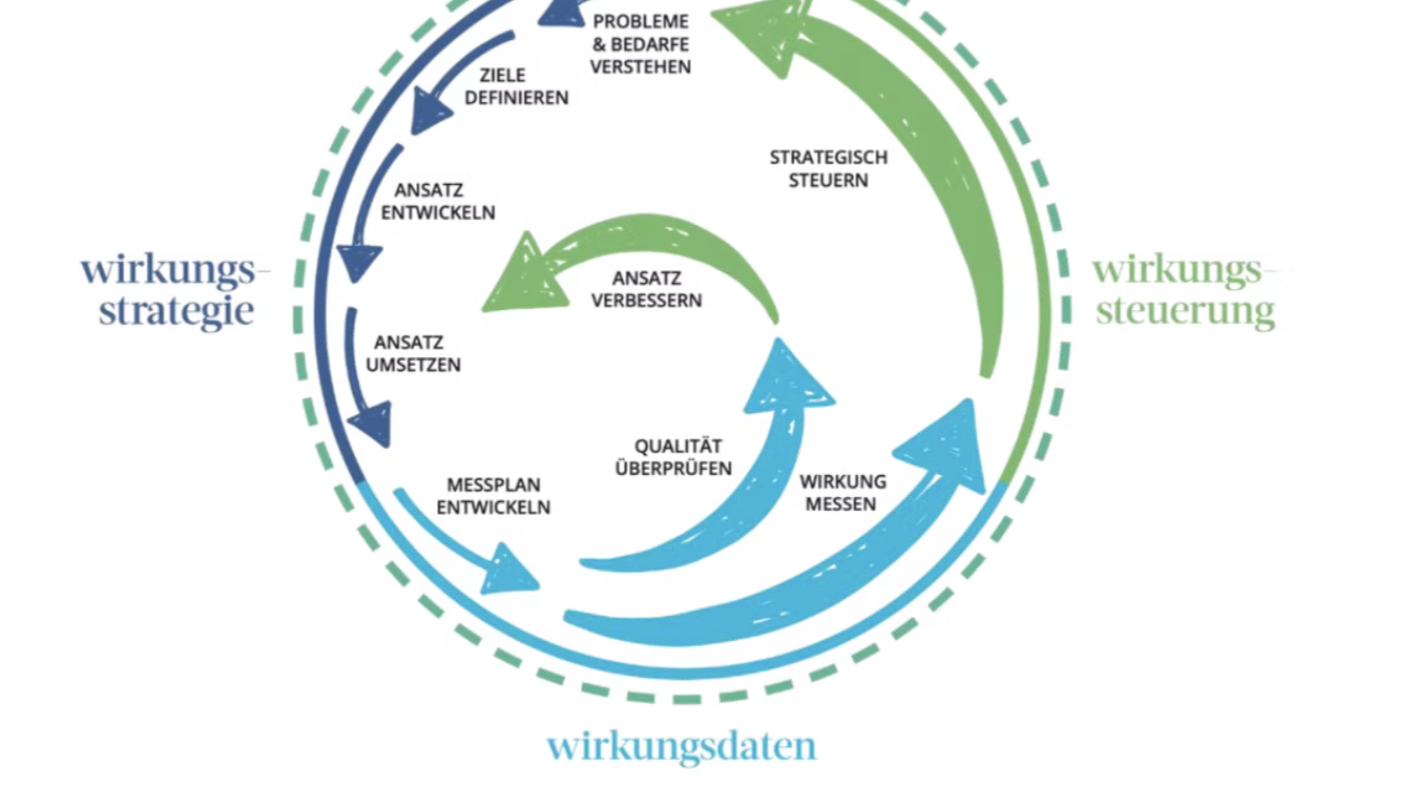
    • How does the measurement work? The framework for measuring the impact of OEB is based on:
      📌 Clear impact logic: What changes should OEB bring about?
      📌 Measurable indicators: How can the development of skills be measured?
      📌 Real-world laboratories & data analysis: How can we validate the success of badges?
    • Initial findings and challenges: Tests conducted to date show that OEBs help learners to:
      ✅ develop a stronger awareness of their own skills
      ✅ use their acquired skills more effectively in job applications
      ✅ are more motivated to develop themselves further

    However, more badges per learner (more data) and broader application are needed to achieve a lasting impact. In addition, teachers and awarding bodies must also be involved to enable effective use.

    🌍 Why this is important

    With a well-designed impact assessment, open badges can be established as reliable proof of competence in the long term – for learners, employers, and educational institutions alike.

  • How can Open Badges be linked to ESCO?

    How can Open Badges be linked to ESCO?

    As part of the MINT.O.Badges project, funded by the BMBF, Prof. Dr. Ulf-Daniel Ehlers conducted a comprehensive study for us to examine how open educational badges can be linked to standardized competency frameworks—specifically ESCO (European Skills, Competences, Qualifications, and Occupations). His research goes beyond mere classification and highlights both the potential and the challenges of this approach.

    • How can open badges meaningfully represent competencies?
    • What are the limitations of ESCO – and how could the system be further developed?
    • What practical examples of ESCO-based badges already exist?

    The PDF provides answers to these and many other questions and offers valuable insights into the future of digital skills recognition. Perfect for anyone who wants to use badges strategically – whether in education, training, or the job market.

  • Desktop Research: Overview of Open Badge Projects

    Desktop Research: Overview of Open Badge Projects

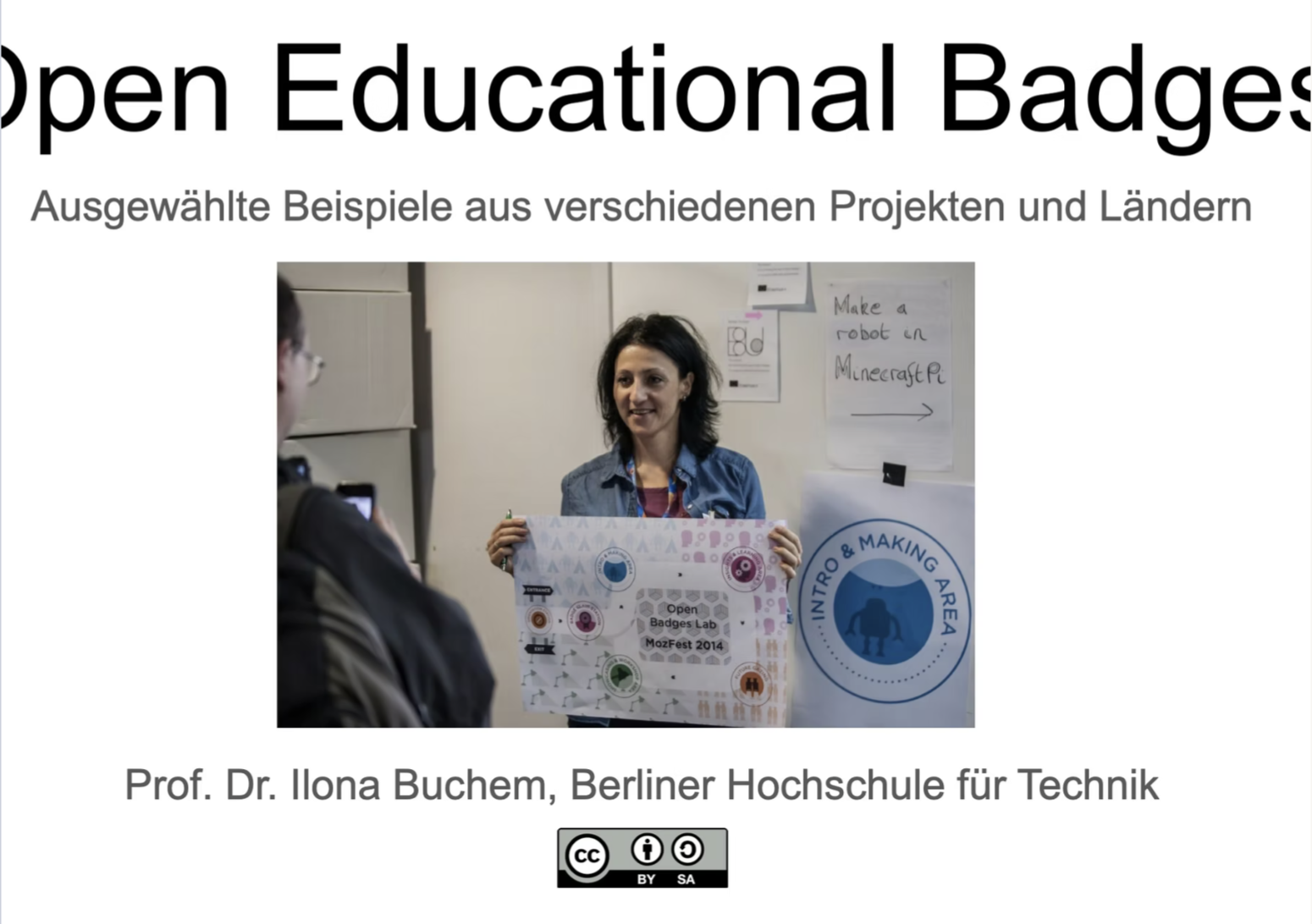
    In this comprehensive summary, Prof. Dr. Ilona Buchem has compiled an overview of international projects in the field of open badges. The document provides an overview of the development of badges in higher education, continuing education, and in municipal and international contexts. Scientific research papers are attached and integrated. Success factors are evaluated and highlighted.